The change from being a student to having a job is a big deal. One day you are thinking about your grades. Showing up to class on time. The thing you know you are sitting in a meeting, with a recruiter who wants to know how you will handle the tasks of your job and problems that happen in real life. Going from student life to a job is an adjustment. Student life and job life are very different so it can be tough to get used to the routine of a job.
If you’ve ever felt like your degree isn’t enough to get your dream job you’re not alone. Many people face this problem. But the secret isn’t just studying harder – it’s studying smarter. This guide will help you build skills and guide you in building your career in IT companies.
1. The “Project Over Thing” Mindset:
We have all been in this situation: we collect certificates from the internet and from classes. When it really matters the people who hire do not care about the certificates. They want to hire people who can do the job.
If you have a certificate that says you know about Data Science but you cannot explain how to clean up a set of data then your certificate is not worth much. It is a piece of paper. You should focus on doing things
- Find a problem that you do not like: think about the things that bother you. Is it a way to get ready in the morning? Is it a way to see how you are doing?
- Build something to fix the problem: use the things you are learning like Python or Java or PHP to make a tool that solves the problem.
- Tell people about the parts: when you talk about your project do not just show them the finished project. Tell them about the problems you had and how you fixed them. Tell them about the times you had to stay up to get it working. The people who hire love to hear about how you solved the problems, with your Data Science project.
2.Why GitHub is Your New Resume:
In the tech world the golden rule is to show don’t tell. You can tell a recruiter you’re good at HTML, CSS, and JavaScript. You can send them a link to your GitHub profile.
GitHub is more than a place to store your code. It’s like a diary that shows how often you work on projects. If your contribution graph is green it means you are working regularly.
When you upload your code make sure it is clean. Don’t just throw files like demo.py, project.html or P1.zip into a folder. Use folders and write clear messages when you commit changes.
A good project needs a README file. In this file explain what your project does. Tell people how to run it and what technologies you used. This file is like a sales pitch, for your code. It helps people understand what you have made.
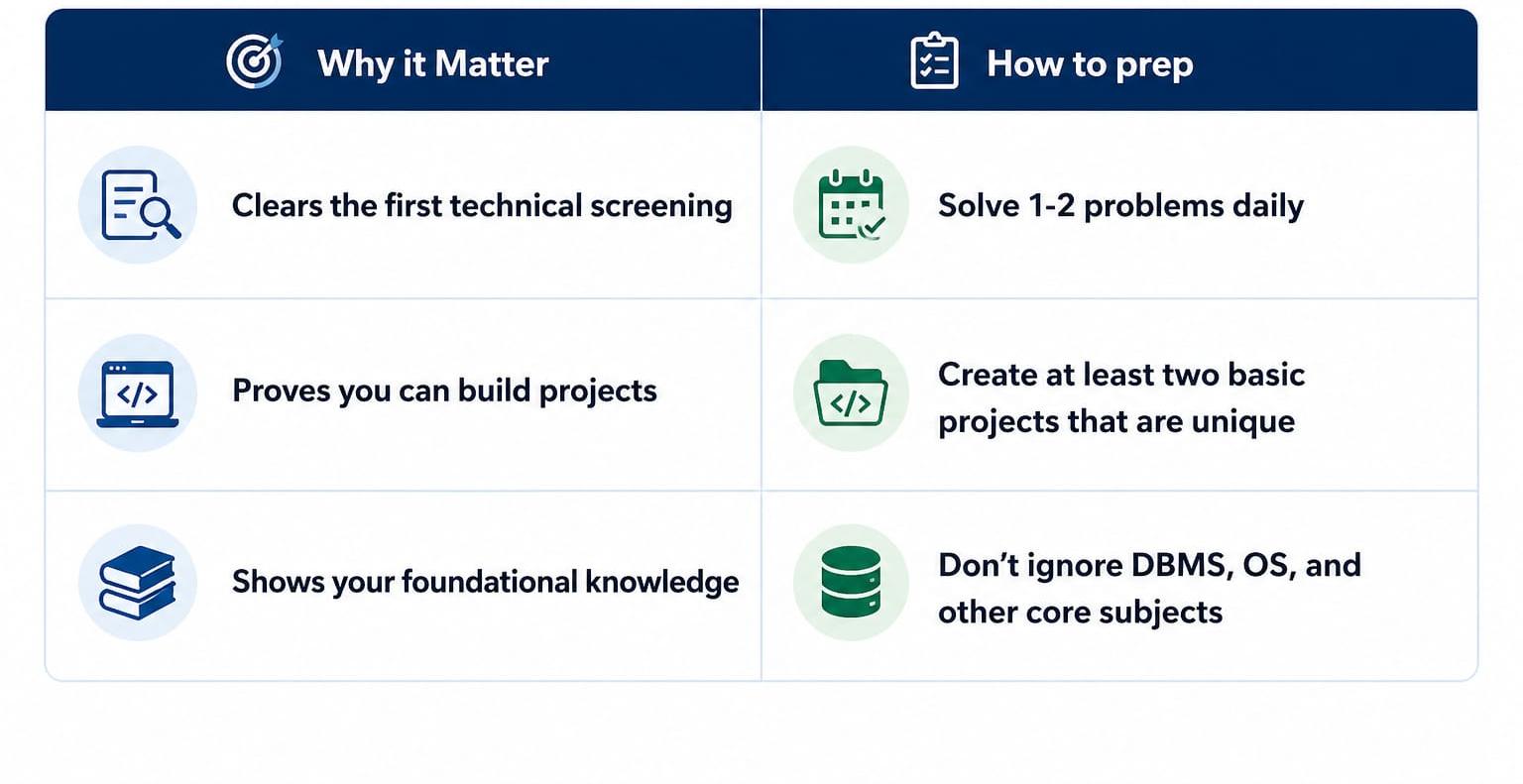
3. Mastering the “Big Three”:
Students ask, Should I focus on LeetCode or building an app?
The answer is no you need a balance, between DSA and development and core subjects.
You really need to work on the Big Three, which’re DSA, development and core subjects to do well.
4.The Art of the “Pitch”(Soft Skills):
You can be a great coder in your group but if you cannot explain how you think you might not get the job because someone else can do that better. Soft skills are like the oil that makes the technical part work properly.
The “Tell Me About Yourself” trap: A lot of students start by saying their name, how old they are and where they are from. That is not very interesting. The people who are hiring you already have your resume so they know all that. Instead use this time to tell them a story about yourself:
- Past: Talk about where you came from and what you studied
- Present: Talk about what you’re learning or doing right now
- Future: Explain why you are really excited, about working for this company the company you are applying to and what you hope to achieve at the company.
5.Personal Branding: Beyond the Selfie
When you finish a course do not just say that you finished a course because that does not tell people much about what you learned.
You should tell people what you learned from the course this way they know what you can do.
You can write a post about a challenge you had to overcome in the course. This is an idea because it shows that you worked hard to learn something new.
This is a way to show recruiters that you are a learner, which makes you more noticeable to recruiters when they are looking for people like that.
Recruiters, like people who learn and take action so finishing a course. Learning from it can help you get noticed by recruiters who are looking for proactive learners like you who finish courses and learn from them people who are proactive learners.
6. The “Hidden” Skills: AI Literacy and Networking
In the year 2026 being able to code is not enough by itself. You also need to know how to use Artificial Intelligence to code. Artificial Intelligence is really important here. Learning how to use tools like Gemini or GitHub Copilot is a thing. This shows that you are a thinking person and you can get things done quickly. You are using Artificial Intelligence to code.
Networking is not what you think it is. It is not about asking everyone if they can give you a job. A lot of the time these conversations can even lead to job referrals on. You can get a job referral from the people you talk to from the people who work at companies you like because you are building relationships, with these people and they can give you a job referral.
7. Dealing with the “No”:
Placements are a numbers game. You will likely get rejected—maybe once, maybe twenty times.
Getting a job is about the numbers. You will probably get turned down by a company. It could be one time. It could be twenty times.
The thing to do is to look at what happened and think about it. Do not worry about it too much.
After you have been to an interview write down the questions that you found hard to answer.
It is also an idea to practice what you would say in a job interview. You can do this with a friend. You can record yourself on video.
You will be surprised at how times you say things, like “um” and “uh” when you are talking, until you watch yourself on the video and see what you are doing.
FAQ: From GRRAS to Global Careers – Build Skills & Get Hired by MNCs
1. How does GRRAS help students get hired by MNCs?
GRRAS helps students get hired by MNCs by providing them with the skills they need. GRRAS gives students training that is focused on what companies need. GRRAS also gives students hands-on projects to work on. GRRAS prepares students for certifications. GRRAS helps students get jobs with MNCs.
2. Which career domains are offered at GRRAS?
GRRAS offers training in areas that are in high demand. These areas include:
- Cloud Computing
- Cybersecurity
- DevOps
- Linux Administration
- Data Science
- Artificial Intelligence
- Networking
GRRAS training is in these areas because they are needed by MNCs.
3. Do GRRAS courses include placement assistance?
Yes GRRAS courses do include placement assistance. GRRAS helps students build their resumes. GRRAS gives students interviews to practice. GRRAS provides career guidance to students. GRRAS teaches students skills. GRRAS connects students with companies that are hiring.
4. Can freshers and non-technical students join GRRAS programs?
Yes freshers and non-technical students can join GRRAS programs. GRRAS programs are for people who are just starting out. GRRAS programs are for people who want to change careers. GRRAS programs are for students who do not have a background but want to build a career in IT. GRRAS programs are designed to help these students build IT careers with top MNCs.
5. What makes GRRAS training industry-oriented?
GRRAS training is focused on learning. GRRAS gives students real-world projects to work on. GRRAS has lab sessions and live training. GRRAS prepares students for certifications. GRRAS has expert mentors who guide students. GRRAS training is designed to meet the needs of MNCs.
6. Why are global IT careers an opportunity today?
Global IT careers are an opportunity today because they offer many benefits. Global IT careers offer:
- salaries
- The chance to work from home
- The chance to work with people from countries
- Many job opportunities
- The chance to grow in your career
With the skills students can build successful careers with top MNCs all, over the world. GRRAS helps students build these skills.
8. Conclusion:
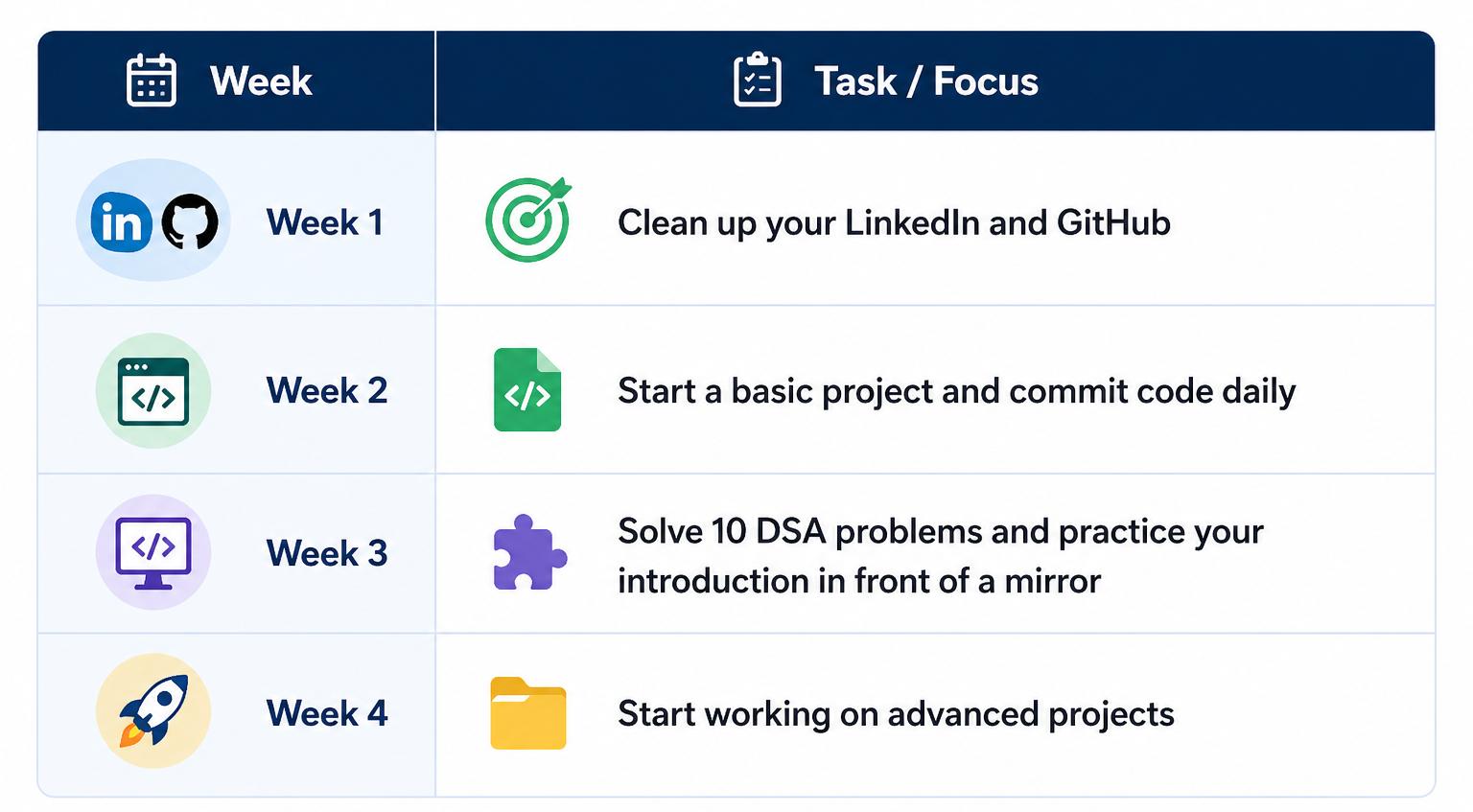
Your 30-Day Action Plan: Don’t try to do everything at once. Start small:



 Whatsapp us
 Call us
 Enquire Now