The digital world is growing faster than ever, and visual content has become the center of communication, branding, entertainment, and marketing. From animated advertisements and YouTube videos to movie titles and social media reels, motion graphics and multimedia are everywhere.
Today, companies need creative professionals who can design eye-catching visuals, edit videos, create animations, and build engaging digital content. This growing demand has made Multimedia & Motion Graphics one of the most exciting career options for creative individuals.
According to GRRAS Solutions, multimedia and motion graphics training focuses on helping students master industry-standard Adobe Creative Suite tools while building practical design and animation skills for real-world creative careers. (Grras Solutions Pvt. Ltd.)
If you are passionate about creativity, storytelling, design, video editing, or animation, then multimedia and motion graphics can open the door to amazing career opportunities.
What is Multimedia?
Multimedia refers to the combination of different types of content such as:
- Text
- Images
- Audio
- Video
- Animation
- Graphics
Multimedia is used to create interactive and visually engaging content for digital platforms.
Examples of multimedia include:
- YouTube videos
- Animated advertisements
- Social media posts
- Website graphics
- Mobile app interfaces
- E-learning videos
- Digital marketing content
What are Motion Graphics?
Motion graphics are animated graphic designs that bring visual elements to life using movement, transitions, and effects.
Motion graphics combine:
- Animation
- Typography
- Visual effects
- Audio
- Video editing
Motion graphics are commonly used in:
- YouTube intros
- Explainer videos
- Film titles
- Advertisements
- Instagram reels
- Brand promotions
- UI animations
Why Multimedia & Motion Graphics are Important Today
Visual content has become more powerful than plain text.
People now prefer:
- Short videos
- Animated content
- Interactive graphics
- Visual storytelling
Businesses use motion graphics because they help:
- Increase audience engagement
- Improve brand identity
- Explain complex ideas easily
- Make advertisements more attractive
- Boost social media reach
This growing demand has increased the need for skilled multimedia professionals.
Why Learn Multimedia & Motion Graphics in 2026?
The creative industry is expanding rapidly.
Companies across industries now need creative designers and video editors for digital marketing, branding, entertainment, and online content creation.
Here are some major reasons to learn multimedia and motion graphics:
1. High Demand for Creative Professionals
Businesses actively hire professionals who can create high-quality visual content.
Industries hiring multimedia professionals include:
- Digital marketing agencies
- Film and media companies
- Advertising agencies
- YouTube content studios
- Gaming companies
- Social media agencies
- Corporate branding teams
2. Excellent Freelancing Opportunities
Many multimedia professionals work as freelancers and content creators.
You can offer services like:
- Video editing
- Motion graphics
- Logo animation
- Social media design
- YouTube video production
3. Creative Career Growth
Unlike many technical fields, multimedia allows you to express creativity while building a professional career.
4. High Salary Potential
Skilled motion graphics artists and video editors often receive attractive salary packages.
Skills You Learn in Multimedia & Motion Graphics
According to the GRRAS Multimedia & Motion Graphics Course, students learn complete Adobe Creative Suite tools along with real-world multimedia production skills. (Grras Solutions Pvt. Ltd.)
Important skills include:
- Graphic designing
- Photo editing
- Video editing
- Animation
- Motion graphics
- Visual storytelling
- Branding design
- Typography
- Color correction
- Social media content creation
Multimedia & Motion Graphics
Creative professionals use industry-standard tools to design and edit content.
1. Adobe Photoshop
Photoshop is one of the most popular design tools in the world.
It is used for:
- Photo editing
- Image retouching
- Poster designing
- Digital art
- Social media graphics
Photoshop is essential for every multimedia designer.
2. Adobe Illustrator
Illustrator is used for vector-based graphic design.
Designers use it to create:
- Logos
- Icons
- Illustrations
- Branding materials
Vector graphics maintain quality even when resized.
3. Adobe Premiere Pro
Premiere Pro is a professional video editing software.
It is used for:
- Video editing
- Audio synchronization
- Color correction
- Cinematic editing
- YouTube content creation
Many professional filmmakers and content creators use Premiere Pro.
4. Adobe After Effects
After Effects is one of the most important tools for motion graphics and animation.
It helps designers create:
- Motion graphics
- Animated titles
- Visual effects
- Kinetic typography
- Intro videos
5. Figma and Adobe XD
These tools are used for:
- UI/UX design
- Website layouts
- Mobile app interfaces
- Wireframing
Core Concepts in Multimedia & Motion Graphics
1. Graphic Designing: Graphic design is the foundation of multimedia.
Students learn:
- Layout design
- Typography
- Color theory
- Composition
- Branding principles
Good graphic design improves communication and visual appeal.
2. Video Editing: Video editing helps creators turn raw footage into professional content.
Important video editing skills include:
- Cutting and trimming
- Audio editing
- Transitions
- Effects
- Color grading
- Storytelling
Video content dominates social media and digital marketing today.
3. Motion Graphics Animation: Motion graphics combine design with movement.
Students learn:
- Animation principles
- Keyframing
- Animated transitions
- Logo animation
- Motion typography
This skill is highly demanded in advertising and content creation.
4. Visual Effects (VFX): VFX adds cinematic effects to videos.
Examples include:
- Explosions
- Background replacement
- Green screen editing
- Cinematic effects
Motion graphics and VFX are widely used in movies and advertisements.
Portfolio Development
One of the most important parts of multimedia training is portfolio creation.
According to GRRAS Solutions, learners work on multiple mini-projects and portfolio-building exercises to showcase their creative skills professionally. (Grras Solutions Pvt. Ltd.)
A strong portfolio helps students get jobs and freelance projects.
Career Opportunities in Multimedia & Motion Graphics
Multimedia professionals have many career options.
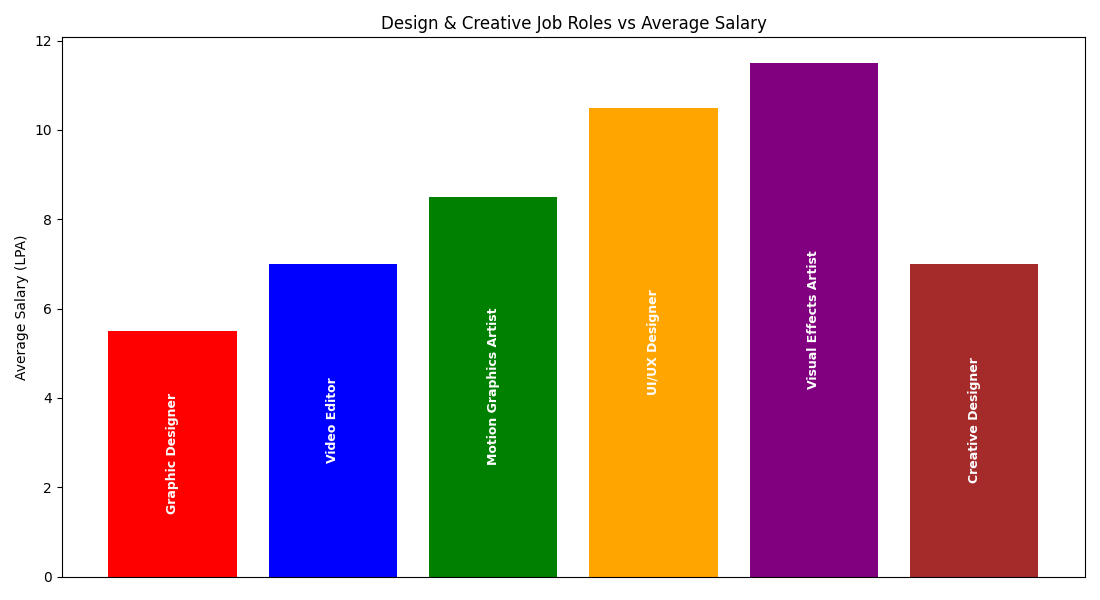
Popular job roles include:
Freelancing opportunities can increase earning potential even further.
Industries That Hire Multimedia Professionals
Multimedia and motion graphics professionals work across many industries.
These include:
- Advertising agencies
- Film production
- Digital marketing
- Gaming industry
- Social media companies
- OTT platforms
- News and media organizations
- Corporate branding agencies
The entertainment and digital content industry continues to grow rapidly worldwide.
Why Choose GRRAS Solutions for Multimedia & Motion Graphics Training?
GRRAS Solutions offers industry-focused multimedia and motion graphics training designed for beginners and creative professionals.
According to the course information, students receive:
- Hands-on project training
- Adobe Creative Suite mastery
- Portfolio development support
- Flexible online/offline classes
- Industry mentorship
- Placement guidance (Grras Solutions Pvt. Ltd.)
The curriculum focuses on practical learning and real-world creative projects.
Students also gain exposure to:
- Photoshop
- Illustrator
- Premiere Pro
- After Effects
- Professional design workflows
Future of Multimedia & Motion Graphics
The future of multimedia is extremely bright.
As digital platforms continue to grow, demand for creative visual content is increasing rapidly.
Future trends include:
- AI-generated content
- 3D animation
- Interactive media
- AR/VR experiences
- Short-form video content
- Motion-based advertising
Brands are investing heavily in visual storytelling and digital media marketing.
This creates huge opportunities for skilled multimedia professionals.
Tips to Become a Successful Motion Graphics Designer
1. Practice Regularly
Creativity improves with consistent practice.
2. Build Small Projects
Create:
- Animated logos
- YouTube intros
- Instagram reels
- Short animations
3. Learn Industry Software
Master Adobe Creative Suite tools.
4. Focus on Creativity
Strong storytelling and visual design skills are important.
5. Build an Online Portfolio
Upload your work on:
- Behance
- Dribbble
FAQs About Multimedia & Motion Graphics
1. What is multimedia and motion graphics?
Multimedia combines text, images, audio, video, animation, and graphics to create engaging digital content. Motion graphics focus on animated visual elements used in videos, advertisements, social media content, and brand promotions.
2. Which software is commonly used in motion graphics and multimedia?
Professionals mainly use tools like Adobe Photoshop, Adobe Illustrator, Adobe Premiere Pro, Adobe After Effects, Figma, and Adobe XD for designing, editing, animation, and video production.
3. Is multimedia and motion graphics a good career option in 2026?
Yes, multimedia and motion graphics continue to grow because businesses increasingly depend on visual content, short videos, branding, and digital marketing to connect with audiences online.
4. What career opportunities are available after learning motion graphics?
You can work as a motion graphics designer, video editor, graphic designer, VFX artist, UI/UX designer, content creator, animator, or freelance multimedia professional across industries like advertising, entertainment, gaming, and digital marketing.
5. Do beginners need a design background to learn multimedia?
No, beginners can start learning multimedia and motion graphics without prior experience. Most professional courses begin with basic design principles, editing techniques, and animation fundamentals before moving to advanced concepts.
6. Why is portfolio building important in multimedia and motion graphics?
A strong portfolio helps showcase your creativity, editing skills, animation projects, and practical experience to clients and employers. It plays a major role in getting jobs, internships, and freelance projects in the creative industry.
Conclusion:
Multimedia & Motion Graphics is one of the most exciting and creative career fields in today’s digital world. From graphic design and animation to video editing and motion graphics, creative professionals are helping brands communicate visually and connect with audiences effectively.
As digital content continues to dominate social media, entertainment, marketing, and branding, the demand for skilled multimedia professionals is growing rapidly.
A professional training program like the Multimedia & Motion Graphics Course by GRRAS Solutions can help learners build creative skills, practical experience, and industry-ready portfolios using tools like Photoshop, Premiere Pro, Illustrator, and After Effects. (Grras Solutions Pvt. Ltd.)
If you are passionate about creativity, design, animation, and storytelling, multimedia and motion graphics can help you build a rewarding and successful career in the creative industry.



 Whatsapp us
 Call us
 Enquire Now